
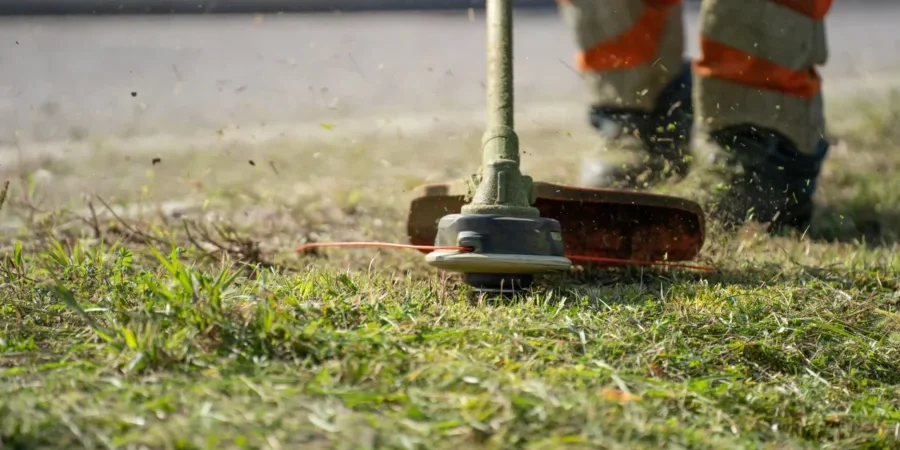
How Often Should Commercial Lawns Be Mowed in Houston?
Houston does not give commercial lawns much time to sit still. Warm weather, sudden rain, long growing seasons, irrigated turf, heavy foot traffic, and high customer visibility can turn a clean property into an overgrown one faster than many managers expect. So when business owners ask, how often should commercial lawns be mowed in Houston? the honest answer is this: often enough to control growth without stressing the turf.
For many commercial properties, that usually means weekly mowing during active growth, with adjustments during cooler months, dry stretches, storms, special events, and periods of slower turf growth. But the best schedule is not guessed from a calendar. It is built around grass type, mowing height, site visibility, irrigation, and how the property is used.
The Short Answer: Most Houston Commercial Lawns Need Weekly Service During Peak Growth
During Houston’s active growing season, a weekly commercial lawn mowing schedule is often the practical baseline for office buildings, retail centers, apartment communities, banks, healthcare properties, schools, HOAs, industrial sites, and hospitality properties. Some highly visible or heavily irrigated sites may need more frequent attention in certain zones. Other properties may be able to stretch service during slower growth periods.
The key is consistency. A property should not swing between freshly cut and visibly neglected. That uneven cycle creates a poor first impression and can force crews to cut too much grass at once, which may weaken turf and leave clumps behind.
Why Houston Lawns Grow on Their Own Schedule
Commercial mowing frequency in Houston is shaped by more than the day of the week. Local heat, humidity, rainfall, irrigation, shade, soil condition, fertilization, and turf variety all affect how quickly a lawn needs service.
Warm-Season Turf Grows Fast When Conditions Are Right
Houston properties commonly use warm-season grasses such as bermudagrass and St. Augustinegrass. These grasses tend to grow actively when temperatures are warm and moisture is available. A lawn that is irrigated, fertilized, and exposed to sun may need mowing more often than a shaded, unirrigated area on the same property.
Rain Can Change the Schedule Quickly
A rainy week can accelerate turf growth and delay equipment access at the same time. That is why commercial accounts need a provider with a realistic rain plan. If the property cannot be mowed safely because the ground is saturated, the follow-up visit should be scheduled before the lawn gets too tall and difficult to recover cleanly.
Irrigation Can Help the Lawn and Increase Mowing Needs
A well-managed irrigation system supports healthier turf, but it also keeps grass growing. Broken sprinkler zones, overspray, leaks, and uneven coverage can create patchy growth that complicates mowing. Coordinating mowing with commercial sprinkler repair and irrigation maintenance in Houston can help keep growth more predictable and the property more uniform.
Use the One-Third Rule as the Real Guide
A good mowing schedule is not only about appearance. It is also about plant health. Turfgrass specialists commonly recommend avoiding the removal of more than one-third of the grass blade in a single mowing. When a property waits too long between visits, crews may have to cut too aggressively, which can scalp the lawn, stress the grass, expose weeds, and leave a rougher finish.
This is why commercial properties usually benefit from regular service before the lawn looks obviously overgrown. Waiting until the grass looks bad often means the ideal mowing window has already passed.
Recommended Commercial Mowing Frequency by Season
Every property should be assessed individually, but the following seasonal framework gives Houston businesses a practical starting point.
| Season / Condition | Typical Mowing Frequency | Commercial Property Notes |
| Spring active growth | About once per week | Growth often accelerates as temperatures rise and rainfall increases. |
| Summer with irrigation | Weekly, sometimes tighter for high-visibility zones | Entrances, frontage, signage areas, and courtyards may need careful attention. |
| Hot or dry periods | Weekly to every 10-14 days depending on growth | Avoid cutting stressed turf too short; mowing height may need adjustment. |
| Fall transition | Weekly at first, then less often as growth slows | A flexible schedule helps maintain appearance without unnecessary cutting. |
| Winter / slow growth | As needed | Many properties shift to less frequent mowing while still maintaining edges, debris, and overall presentation. |
| After heavy rain | Resume when conditions are safe | Do not mow saturated areas if equipment could rut the lawn or damage soil structure. |
Property Type Matters: Not Every Lawn Has the Same Standard
A small rear service area does not need the same presentation standard as a hotel entrance or office campus courtyard. Before choosing a schedule, decision-makers should consider where the grass is located and who sees it.
Office buildings and corporate campuses: Weekly mowing is usually expected during active growth because exterior presentation influences tenants, employees, visitors, and prospective clients.
Retail centers and banks: Frontage, drive-through lanes, pedestrian paths, and signage areas often need tight control so the property looks open, clean, and easy to navigate.
Apartments, condominiums, and HOAs: Common-area lawns affect resident satisfaction, leasing tours, online reviews, and the perceived quality of the community.
Healthcare and educational properties: Consistent mowing helps exterior areas feel orderly, accessible, and maintained for patients, families, students, staff, and visitors.
Industrial parks and logistics properties: Weekly or scheduled mowing keeps frontage, detention areas, and shared spaces from looking neglected while protecting access and visibility.
What Happens When Commercial Lawns Are Mowed Too Often or Not Often Enough?
Mowing Too Often
Over-mowing can stress turf, especially during dry periods or extreme heat. If the mowing height is too low, the lawn may thin out, brown faster, and invite weed pressure. Commercial properties with St. Augustinegrass should be especially careful because cutting it too short can damage its appearance and resilience.
Mowing Not Often Enough
Under-mowing creates its own problems. Tall grass looks neglected, traps moisture, hides debris, blocks clean edging, and may force crews into a heavy cut. That can leave clumps, uneven lines, and a stressed lawn. For customer-facing sites, the visual damage appears before the maintenance issue is fully obvious.
Why Mowing Should Be Part of a Complete Maintenance Plan
Mowing is only one part of a commercial property’s exterior. A site can be mowed on time and still look unfinished if edging is ignored, shrubs block sightlines, irrigation is uneven, or planting beds are full of weeds. That is why businesses often get better results from commercial lawn maintenance in Houston rather than mowing as a disconnected task.
A full maintenance plan can coordinate mowing, edging, trimming, blowing off hardscapes, seasonal cleanup, weed control, fertilization awareness, irrigation reporting, and property-specific priorities. The result is a site that looks managed from the curb to the front door.
Signs Your Commercial Lawn Needs a Different Schedule
If your current mowing schedule is not working, the property will usually tell you. Facility managers and property owners should look for these signs:
- Grass looks uneven or shaggy before the next scheduled visit.
- Clippings are heavy, clumped, or left across turf after mowing.
- Edges along sidewalks, curbs, and signs look messy between visits.
- The lawn turns brown or scalped shortly after service.
- Frontage areas grow faster than shaded or low-visibility zones.
- Rain delays cause the property to look neglected for too long.
- Tenants, residents, customers, or staff have started mentioning the grounds.
How High Maintenance Commercial Landscaping Helps Houston Businesses Stay on Schedule
High Maintenance Commercial Landscaping provides commercial lawn mowing services in Houston for business properties that need consistent care, clean presentation, and reliable communication. The company serves the greater Houston area and highlights commercial lawn maintenance, mowing, edging, trimming, fertilization, weed control, and customized maintenance planning for property needs.
For office properties, a coordinated landscape schedule can be especially valuable. Professional commercial landscaping for office buildings in Houston helps create an exterior that supports tenant confidence, employee experience, and a polished arrival for clients and visitors.
A Smart Next Step: Schedule Based on Growth, Not Guesswork
The best mowing frequency is the one that keeps the lawn healthy, clean, and aligned with the property’s public image. For many Houston commercial properties, weekly mowing during peak growth is the right starting point. From there, the schedule should flex with rainfall, irrigation, turf type, visibility, and business needs.
If your property looks overgrown between visits or stressed after every cut, the schedule may need to change. A commercial lawn assessment can identify mowing zones, recommended frequency, trimming details, seasonal adjustments, and broader maintenance items before they become visible problems.
Frequently Asked Questions
1. How often should commercial lawns be mowed in Houston during the growing season?
Most commercial lawns in Houston need weekly mowing during active growth, especially when the property is irrigated, fertilized, highly visible, or heavily used. Some areas may require tighter attention, while shaded or low-growth zones may not need the same frequency. The goal is to mow before more than one-third of the grass blade would need to be removed.
2. Can a commercial lawn be mowed every two weeks in Houston?
Biweekly mowing may work during slower growth periods or for certain low-visibility areas, but it is often too infrequent during Houston’s warm, rainy, active growing season. Waiting two weeks can lead to tall grass, clumped clippings, rough cuts, and stressed turf. A provider should evaluate the property before recommending a fixed biweekly schedule.
3. Should mowing frequency change after heavy rain or drought?
Yes. Heavy rain can speed up growth but may also make the ground too wet for mowing without causing ruts or turf damage. Drought or heat stress can slow growth and may require less frequent mowing or a higher cut. Commercial lawn care should be flexible enough to protect the turf while keeping the property presentable.
Keep the Property Looking Ready for Business
A dependable mowing schedule is one of the simplest ways to protect curb appeal, tenant satisfaction, and customer confidence. High Maintenance Commercial Landscaping can help your business create a mowing and maintenance plan that fits Houston’s growing conditions and your property’s standards.