
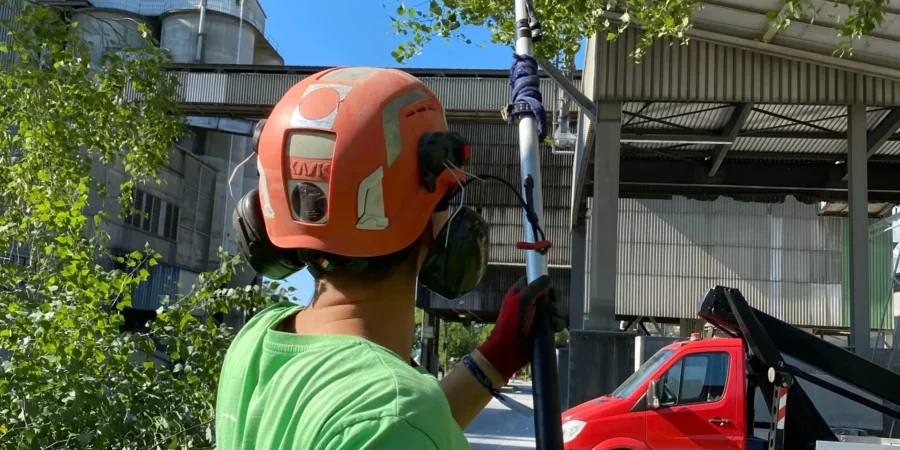
Tree Trimming for Commercial Properties in Houston: Why It Matters
A healthy tree can make a commercial property feel established, shaded, and professionally maintained. A neglected one can do the opposite in a hurry. Branches creep over walkways. Limbs hang into parking spaces. Signage disappears behind heavy canopies. After a hard Houston storm, one weak branch can become a costly interruption. That is why tree trimming for commercial properties in Houston is not simply a landscaping detail. It is part of risk management, curb appeal, and everyday property operations.
For office buildings, retail centers, apartment communities, banks, healthcare sites, schools, HOAs, and industrial parks, trees live where people move: near entrances, sidewalks, driveways, parking lots, monument signs, lighting, and shared outdoor spaces. Professional trimming helps those trees work for the property instead of becoming a recurring maintenance problem.
Why Commercial Tree Trimming Deserves a Place in Your Maintenance Plan
Commercial properties are judged quickly. Visitors may not know the name of a tree species or the proper pruning cycle, but they can instantly sense when a site feels overgrown. More importantly, overgrowth can create real hazards around pedestrian paths, vehicles, buildings, and lighting.
It Helps Reduce Liability Around High-Traffic Areas
Deadwood, cracked limbs, low-hanging branches, and canopy weight become bigger concerns when they sit above sidewalks, parking stalls, playgrounds, outdoor seating, drive lanes, or building entrances. Routine commercial tree trimming helps remove obvious risks before they turn into emergency calls, blocked access, or damage claims.
It Keeps Signs, Lighting, and Entrances Visible
A beautifully designed sign does little good if branches cover it from the street. The same applies to security lighting, storefront visibility, directional signs, and building entrances. Strategic canopy raising and shaping can open sight lines without stripping trees of their natural character.
It Protects the Long-Term Value of Mature Trees
Mature trees are valuable assets, especially on commercial sites where shade and visual softness make large buildings and paved areas feel more inviting. But improper cuts, neglected structural issues, or storm-damaged limbs can shorten a tree’s life. Good trimming supports structure, airflow, clearance, and healthy growth.
What Professional Commercial Tree Trimming Usually Includes
Every property has different priorities, which is why trimming should begin with a walk-through and a clear scope. Businesses exploring commercial tree trimming in Houston should ask which areas will be trimmed, which branches will be removed, how debris will be handled, and whether clearance or storm-preparation goals are included.
Crown Thinning and Canopy Shaping
Selective thinning can reduce excess density, improve airflow, and help the canopy look balanced. This is especially helpful when trees begin to feel heavy, block light, or crowd other landscape features. The goal is not to overcut. The goal is to guide growth and reduce avoidable stress.
Canopy Raising for Walkways, Parking Areas, and Signs
Canopy raising removes or shortens lower branches to improve clearance. On a commercial property, this may be needed around sidewalks, driveways, parking areas, building entrances, cameras, exterior lighting, and monument signs. A clean clearance plan makes the site easier to navigate and more pleasant to visit.
Deadwood Removal
Dead branches rarely improve with time. They become more brittle, more visible, and more likely to fall during wind or rain. Removing deadwood is one of the most practical steps a business can take to protect people, vehicles, roofs, and outdoor equipment.
Storm Preparation and Post-Storm Cleanup
Houston’s weather can turn small weaknesses into expensive problems. Tree trimming before peak storm conditions can reduce the chance of limb failure, while post-storm cleanup helps return the property to a safe, presentable condition after heavy rain or wind.
Why Houston Properties Need a Local Tree Trimming Strategy
Houston landscapes grow aggressively. Warm weather, humidity, rain, irrigation, and long growing seasons can push trees and shrubs beyond their intended shape faster than property managers expect. A tree that looked fine in early spring can be blocking signs or brushing vehicles by summer.
This is why tree care should not be treated as an occasional reaction. A local maintenance strategy considers seasonal growth, storm exposure, visitor traffic, property visibility, irrigation conditions, and the way trees interact with the rest of the landscape.
Signs Your Commercial Property Needs Tree Trimming
Waiting until a branch falls is the most expensive way to manage trees. Property managers can often spot warning signs during routine site walks.
| Warning Sign | Why It Matters |
| Branches are hanging over sidewalks, entrances, or parking spaces. | This can affect pedestrian comfort, vehicle clearance, and daily site safety. |
| Signage is harder to see from the street. | Trees should frame important signs, not hide them. |
| Security lighting is blocked by foliage. | Dense canopies can create dark areas near buildings, lots, and paths. |
| Dead or broken branches are visible. | Deadwood should be addressed before storms or wind expose the weakness. |
| Trees are touching roofs, gutters, walls, or utility areas. | Contact with buildings can create maintenance issues and make inspections more difficult. |
| The property looks uneven or overgrown even after mowing. | Trees and shrubs often determine whether a site looks fully maintained or only partly serviced. |
How Tree Trimming Supports Curb Appeal and Brand Perception
People form opinions before they walk through the door. Clean turf, shaped trees, trimmed shrubs, visible signs, and open walkways send a quiet message: this property is managed with care. For customer-facing businesses, that message matters. For tenant-based properties, it can affect satisfaction, renewals, and the way prospects compare one location against another.
Tree trimming also makes the rest of the landscape look better. Fresh mowing can disappear under messy limbs. Flower beds lose impact when canopies crowd them. Lighting design loses value when branches block it. The exterior works best when each element supports the next.
Tree Trimming Works Best as Part of Complete Grounds Maintenance
A one-time trim may solve an urgent issue, but the strongest results usually come from a coordinated plan. When the same team understands your mowing schedule, shrub growth, irrigation conditions, planting beds, and tree clearance needs, the property becomes easier to manage.
High Maintenance Commercial Landscaping positions tree trimming as part of a broader commercial property maintenance approach. Businesses can pair tree care with commercial lawn maintenance, shrub trimming, irrigation repair, seasonal cleanup, and routine site care. For managers overseeing busy properties, that can mean fewer vendors, simpler scheduling, and better accountability.
For Office Properties
Office buildings rely on a clean arrival experience. Trees near entrances, parking lots, outdoor seating, and walking paths should create shade and comfort without hiding architecture, signs, or lighting. A planned commercial landscaping for office buildings program can align tree trimming with the rest of the exterior presentation.
For Apartment Communities and HOAs
Residential-style commercial properties need consistent outdoor appeal because residents experience the landscape every day. Trees should enhance common areas, entrances, sidewalks, pool areas, and parking zones without creating visibility or clearance problems.
For Retail, Banks, and Hospitality Sites
Customers need to find the entrance, read signs, park comfortably, and feel safe moving through the property. Trees should soften the site and improve shade, not interfere with access, visibility, or lighting.
What to Ask Before Hiring a Commercial Tree Trimming Company
Tree trimming affects safety, appearance, and the long-term health of the landscape. Before approving work, ask questions that make the scope and expectations clear.
Which trees and zones are included in the proposal?
Will the work address deadwood, clearance, visibility, and canopy balance?
How will crews protect vehicles, pedestrians, buildings, and landscape beds during service?
Is debris removal and cleanup included?
Can the trimming schedule be coordinated with mowing, irrigation, or seasonal maintenance?
Who should the property manager contact if conditions change before or after service?
Why Businesses Choose High Maintenance Commercial Landscaping
High Maintenance Commercial Landscaping serves commercial properties across the greater Houston area, including Houston, Humble, and Kingwood. The company highlights professional commercial tree trimming, lawn maintenance, shrub care, irrigation repair, and seasonal cleanup, with customized service plans and a satisfaction guarantee.
For busy property managers, that combination matters. Tree trimming is rarely isolated from the rest of the property. When trees, turf, beds, irrigation, and cleanup are managed together, the entire site looks more intentional and problems are easier to catch early.
A Smarter Next Step for Safer, Cleaner Grounds
Walk your property this week and look up. Are branches crowding signs? Are limbs hanging over parking spaces? Are canopies blocking lighting? Are dead branches visible after recent storms? Those details may seem small until they affect safety, visibility, or a customer’s first impression.
A professional tree trimming assessment gives your business a clear plan: what needs immediate attention, what can be scheduled seasonally, and how tree care should fit into your overall commercial landscape maintenance program.
Frequently Asked Questions
1. How often should commercial trees in Houston be trimmed?
Many commercial trees in the Houston area benefit from professional inspection at least once a year, especially around high-traffic areas, parking lots, sidewalks, signage, and buildings. Actual trimming frequency depends on tree species, growth rate, location, storm exposure, and the property’s appearance standards. Some trees may only need structural trimming every few years, while fast-growing or high-risk areas may require more frequent attention.
2. What is the best time to trim trees on a commercial property?
Late winter through early spring is often a practical time for many trimming projects because trees are easier to assess before heavy seasonal growth. That said, hazardous limbs, storm damage, visibility problems, and clearance issues should be handled as soon as they are noticed. On commercial properties, safety and access concerns usually matter more than waiting for a perfect seasonal window.
3. Can tree trimming be combined with regular commercial landscaping?
Yes. In many cases, combining tree trimming with regular commercial landscaping is the most efficient approach. A coordinated plan can align mowing, shrub trimming, bed maintenance, irrigation repair, seasonal cleanup, and tree care under one schedule. This helps property managers reduce vendor confusion, improve consistency, and keep the property looking maintained between major service visits.
Keep Your Trees Working for the Property, Not Against It
Well-trimmed trees make a commercial property safer, cleaner, more visible, and more inviting. High Maintenance Commercial Landscaping can help Houston-area businesses build a practical trimming plan that supports the full property, from the parking lot to the front entrance.